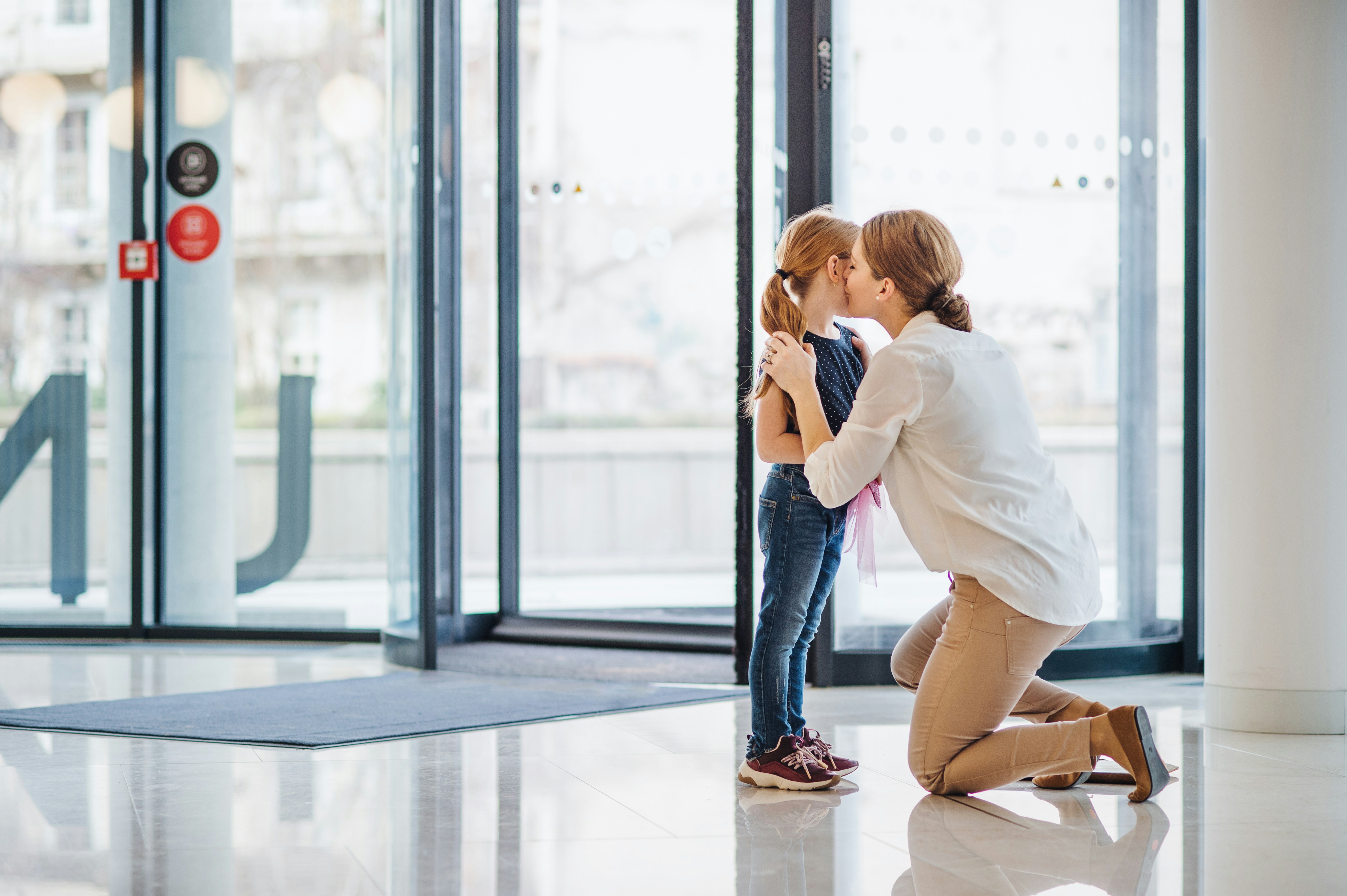
When Goodbyes Are Hard: Understanding and Easing Separation Anxiety
Separation anxiety is one of the most emotionally wrenching hurdles in early childhood, for both you and your little one. If you've ever been there, you know the heartbreak of leaving a sobbing child who is clinging to your leg for dear life or whose arms are being peeled away from your neck.
It typically appears between 6 months to 3 years old and peaks around 18 months, sometime later. Far from being a sign of a problem, it's actually a beautiful signal of the strong, healthy attachment you've built. Knowing that doesn't make the tears any easier. The good news is that with a mindful approach and a few gentle strategies, you can ease the transition for both of you.
Of course, in an ideal world, many of us might choose to be home with our children every day until they start school. However, for many families, the financial reality of modern life doesn't make that possible, and for many women, it can also mean losing significant traction in their studies or careers. This is a space that only each family can navigate for themselves, and there should never be judgement attached to the choices you make about childcare and returning to work.
Finding Your Rhythm with Gentle Goodbyes
So, where do we begin? It starts with creating a sense of safety and predictability.
Start with a Loving Routine
Creating consistent routines offers security in a world that can feel very big and unpredictable. Prepare for goodbyes with a clear, loving sequence of events. This routine might include a special goodbye ritual: a big bear hug, three kisses on the cheek, a cheerful wave from the window, or a special phrase like, "I love you, you love me, have a great day and I'll see you at three!" Predictability helps children feel safe and reduces anxiety because they know exactly what's coming.
Take Small Steps, Together
If you can, try to build up to longer separations gradually. Start by leaving your child with a trusted caregiver for short periods—even just 20 minutes while you go for a walk around the block. Slowly increase the duration as they grow more comfortable. Each successful return is a powerful opportunity to reassure them that goodbyes are just temporary, building their trust and lessening their anxiety over time.
A Piece of Home in Their Pocket
Encourage your child to take a cherished object with them, like a favourite toy, a family photo, or a blanket that smells like home. These "transitional objects" provide emotional security and can soothe feelings of unease in unfamiliar settings. It's a tangible piece of you they can hold onto until you're back.
One of my favourite ways to introduce this idea to little ones is through the beautiful picture book The Kissing Hand by Audrey Penn. In the story, a mother raccoon places a kiss in her child's palm so he can carry her love with him wherever he goes. It's a simple, magical ritual that many families have adopted in real life — and it works.
Your Words Matter
Talk to your child about their feelings, validating their experience. Let them know it's okay to feel sad or worried when you leave. Simple, honest explanations about where you're going and when you'll return can demystify the separation process. For a younger child, this might sound like, "Mummy is going to work now, and Grandma is here to play. I'll be back after your afternoon nap."
Your Calm is Their Calm
This is often the hardest one! Even when saying goodbye feels tough, your calm and confident demeanour will reassure your child. They look to you for cues, so try to maintain a positive and loving presence. Keep your goodbyes brief and loving—drawing them out can often make things harder. And yes, it's perfectly okay to have a good cry in the car after you leave them. You're only human.
Don't Forget About You, Mumma/Papa
It's so easy to focus entirely on our children's feelings during this time, but separation anxiety is hard on parents, too. It's vital to take care of your own emotional health. This means making time for activities that replenish your spirit, whether it's a walk, a coffee with a friend, a lunch with a mate, or just five minutes of quiet meditation. It also means seeking support. Sharing your experience with other parents who get it can be invaluable, reducing feelings of isolation and reminding you that you're not alone. And if it all feels overwhelming, please don't hesitate to seek professional guidance from a paediatrician or child psychologist. Your wellbeing is the anchor that keeps your child feeling secure.
A Final Thought
Navigating separation anxiety is a journey that involves patience, compassion, and learning what works for you and your child. A little side note: this journey will look different for every child. Of my four children, two were timid and struggled with goodbyes right from the get-go. The other two were perfectly happy for weeks before suddenly finding it tough to leave me. It's a powerful reminder that there is no one-size-fits-all approach.
It's also common for a child to settle into a new environment like childcare or school, only for separation anxiety to reappear weeks or even months later. This regression can be triggered by small changes in routine, a developmental leap, or simply a renewed awareness of their desire to be with you. This is a normal part of their journey, not a sign of failure. Continue with your consistent, loving routines, and they will find their footing again.
If you are currently in that phase of parenting, remember, separation anxiety is a small chapter in the beautiful story of your child's development. However, if the anxiety or distress continues, ask more questions and look into the care situation even more closely. Do not be brushed off if you really sense that something isn't feeling right.
You are not alone. If you feel like you need to boost your supports, start by sharing this post with your fellow parents and open the door to having more conversations and sharing strategies.
Love,
Chelle 💗
Special Education Complex Supports and Family Support Specialist
Further Reading
If you'd like to explore this topic a little deeper, here are some books I recommend. The picture books are wonderful to read together with your child as part of your goodbye routine.
For Parents
The Whole-Brain Child by Daniel J. Siegel & Tina Payne Bryson — A beautifully accessible look at the neuroscience behind children's big emotions, including separation anxiety.
Good Inside by Dr. Becky Kennedy — A warm, practical approach to understanding your child's behaviour from the inside out.
To Read Together
The Kissing Hand by Audrey Penn — A timeless classic about carrying love with you wherever you go.
The Invisible String by Patrice Karst — A gentle story about the bond of love that connects us even when we're apart.
Llama Llama Misses Mama by Anna Dewdney — A relatable and reassuring story about a little llama's first day at school.
Owl Babies by Martin Waddell — Three baby owls wait patiently for their mother to return — a beautiful story about trust.
This post contains affiliate links. As an Amazon Associate I may earn a small commission at no extra c you for qualifying purchases. I only ever recommend books I genuinely love and believe in.
