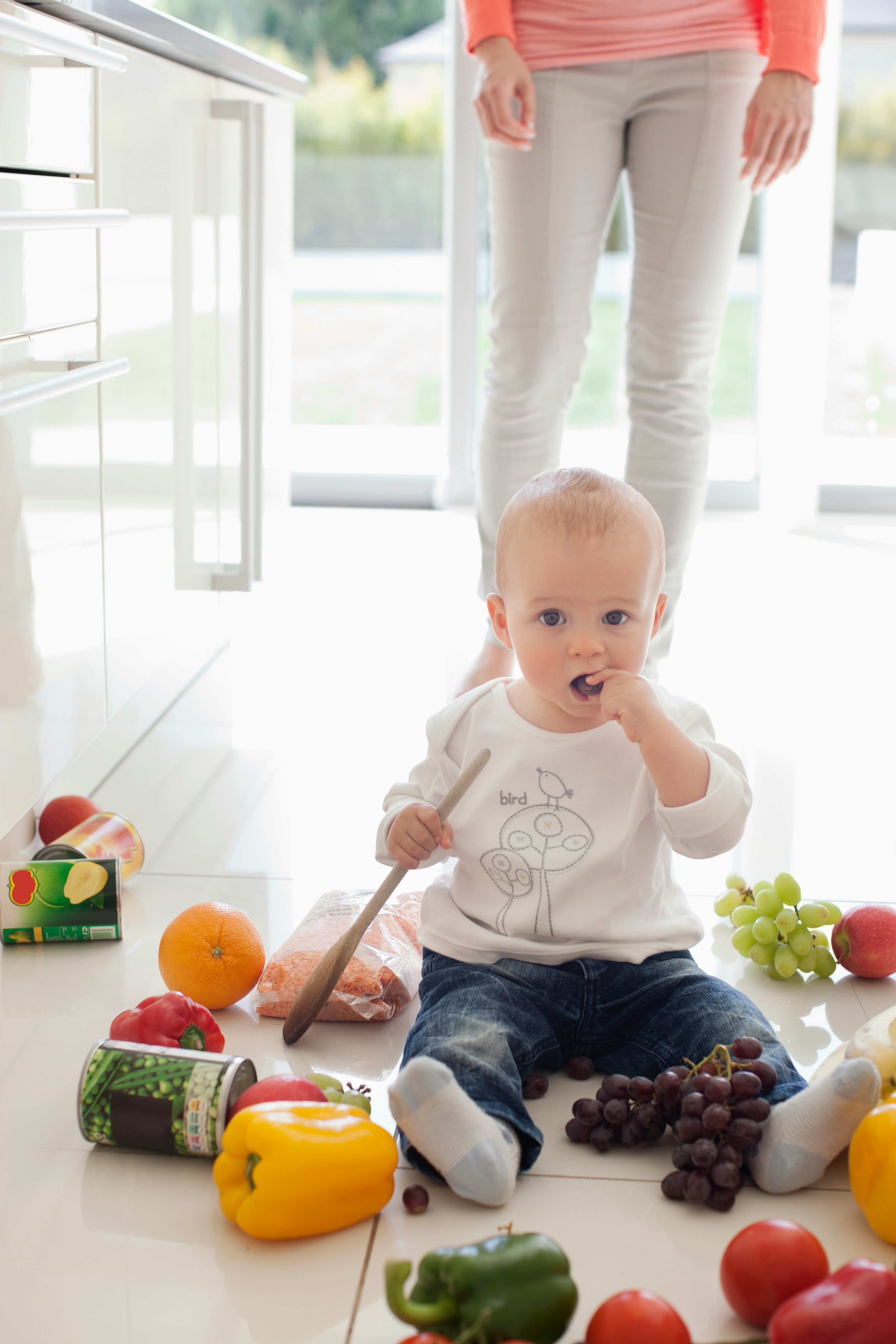
Nourishing Our Kids: 3 Simple Truths About Food and Family
As parents, we all share a common goal: to give our children the very best start in life. One of the most fundamental ways we can support their growth and development is through healthy nutrition. However, between busy schedules and the overwhelming sea of conflicting advice, it’s easy to feel lost. From vegan to carnivore and everything in between, the constant noise about how we should eat as adults makes it even more confusing to figure out what’s truly healthy for our kids.
I’ve raised four children, and each one had a completely different relationship with food. One would have happily eaten roadkill if I’d served it, while another gagged at the mere thought of a vegetable for about eight years. I remember feeling so stressed and anxious with my second child, who for a time would only eat fruit and white rice. I felt like I was failing to care for her properly.
Fortunately, I had a wonderfully practical GP whose advice I’ll never forget. He told me, “Stop worrying. She is not malnourished or underweight. Let her eat the fruit and keep offering other options without making it a drama.” Slowly but surely, she started trying and liking other foods. That experience taught me some invaluable lessons that have guided me for nearly three decades.
Here are the three most important things I’ve learned about feeding children.
1. Don’t Turn Dinnertime into a War
Making a drama over a child eating (or not eating) never helps. It doesn’t build a healthy relationship with food, and it certainly doesn’t make for a relaxing family meal. I know from personal experience that turning dinnertime into a battle of wills only ends in tears and stress for everyone. We’re not running a restaurant, so making separate meals for every preference isn’t practical. My approach became simple: make one family meal, and ask them to try it (in our house, the rule was three bites). If they still didn’t want it, I’d offer a simple, healthy alternative like a piece of fruit, without cooking a whole new meal.
2. Become a Food Label Detective
My youngest daughter was severely intolerant to salicylates, artificial colours, flavours, and preservatives. Before this, I’d never given much thought to reading food labels. When I started, I was horrified at what is put into our food and even children’s medicines. I learned that while whole foods like tomatoes and strawberries are healthy for most, their naturally occurring chemicals can be a trigger for others. More importantly, I realised that artificial additives should be avoided by everyone. If it’s bad for a child, it’s not great for adults either.
When you can’t cook from scratch, choose products with ingredient lists you can actually recognise as food. Be wary of hidden sugars, which have more than 50 different names (like maltodextrin, sucrose, agave nectar, and corn syrup). In Australia, ingredients are listed by percentage, so if you add up all the different names for sugar, you might find it’s the main ingredient.
3. Every Child is Unique
Foods that work for one child may not work for another. If you notice your child seems unwell or their behaviour changes after certain foods, or if you’re ever concerned that your child isn’t eating enough, please seek medical advice. Trust your instincts and get professional guidance to ensure your child’s specific needs are being met. (see blog post How Food Affects Your Child's Behaviour: A Science-Backed Guide for Parents)
Healthy eating habits established in childhood can last a lifetime. By offering a variety of nutritious foods and making mealtimes a positive family experience, we can nourish our next generation, one meal at a time.
Love,
Chelle 💗
Special Education Complex Supports and Family Support Specialist
As an Amazon Associate, I earn a small commission from qualifying purchases at no extra cost to you. This helps support the content I create.
Resources for Your Kitchen
Here are three fantastic, bestselling cookbooks that can help you on your journey. They are packed with practical advice and delicious, family-friendly recipes.
Baby Food Bible by Julia Tellidis & Lauren Skora: Perfect for modern, busy parents, this book offers over 100 nutritionist-approved recipes that the whole family can enjoy. It’s a fantastic guide for navigating the introduction of solids, with expert advice on food safety and allergens.
The Big Book of Organic Baby Food by Stephanie Middleberg: If you're looking for a comprehensive guide with a focus on organic, wholesome ingredients, this is it. With over 200 recipes for purees, finger foods, and toddler meals, it supports your child through every stage.
What Mummy Makes by Rebecca Wilson: Embrace the cook-once-for-everyone philosophy with this international bestseller. It’s filled with over 130 recipes that are suitable for babies from 6 months old, making it easy to feed your baby and family at the same time.
