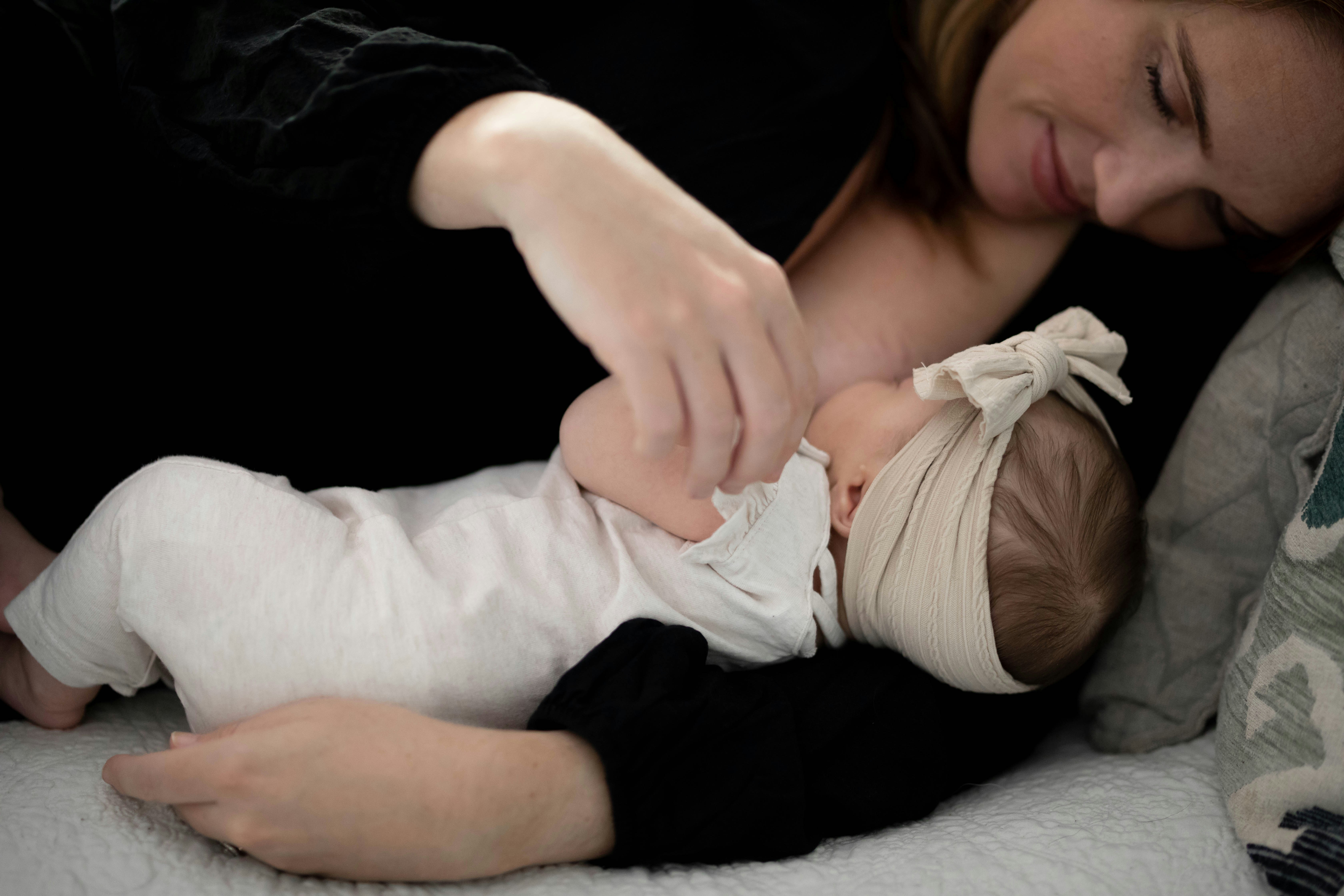
Restful Nights: The Science of Sleep and Co-Sleeping for Babies and Toddlers
As a parent, helping your child establish a consistent sleep routine is crucial for their overall well-being. Adequate sleep not only ensures they wake up refreshed and ready to take on the day but also plays a vital role in their physical and mental development. And let's be honest, when our children sleep, there is a good chance we are also getting enough sleep to be at our best.
Today's blog looks at the importance of wind-down routines and the science of sleep to help your child ease into a restful night's sleep.
The Science of Sleep for Little Ones
Have you ever wondered what's going on in your little one's brain while they're sleeping? It turns out, a lot! Sleep is a powerhouse for development, especially in the early years.
A new born sleeps for about 16-17 hours a day, but often in short bursts. As they grow, their sleep patterns start to consolidate, and by around six months, you might notice longer stretches of sleep at night. Toddlers, on the other hand, need around 12-14 hours of sleep in a 24-hour period.
Research is increasingly showing that sleep is a critical driver of brain development, both before and after birth. It underpins physical, cognitive, and emotional growth. So, when you're helping your child get a good night's sleep, you're not just helping them feel rested – you're also supporting their developing brain.
Why Wind-Down Routines Matter
Developing a wind-down routine is like signalling to your child's body and mind to slow down and prepare for sleep. Just as adults benefit from winding down before bedtime, children can greatly benefit from this practice as well. Wind-down routines create a predictable and calming environment that helps children transition from the active stimulation of the day to a state of relaxation conducive to sleep.
A study published in the Journal of Sleep Research found that wind-down routines were associated with faster sleep onset, better sleep quality, and improved mental well-being in children. The Sleep Medicine Journal also highlighted that consistent wind-down routines were linked to reduced behavioural problems and increased sleep duration. These findings underline the significance of incorporating wind-down routines into your child's bedtime ritual.
Try these Six Tips for Establishing an Effective Wind-Down Routine:
Maintain Consistency: Consistency is key when it comes to successful wind-down routines. Establish a fixed bedtime and ensure that the routine follows the same sequence of events every night.
Calm Activities: Engage your child in relaxing activities to help them unwind before bedtime. Reading a book together, listening to soothing music, or engaging in quiet play are excellent choices.
Limit Screen Time: The stimulating effects of screens can disrupt your child's ability to wind down effectively. Avoid screen exposure at least an hour before bedtime.
Create a Soothing Environment: Design your child's bedroom to promote relaxation. Dim the lights, ensure comfortable bedding, and keep the room at a cool temperature. If your child has some sensory processing challenges, explore the use of weighted toys and weighted blankets to provide safety signals of deep pressure through sensory pathways, reducing hyperarousal, stress, and anxiety.
Implement Relaxation Techniques: Encourage your child to practice relaxation techniques, such as deep breathing or gentle stretches. These techniques can help them soothe their mind and body.
Consistent Bedtime: Establish a consistent bedtime that allows your child to obtain the recommended amount of sleep for their age group.
What About Co-Sleeping?
Co-sleeping, or bed-sharing, is a practice that often sparks debate among parents. While some studies have raised concerns about safety, a growing body of research highlights its potential benefits when done safely.
Research suggests that co-sleeping can promote a stronger emotional bond between parents and their babies, and it can also make breastfeeding easier. Some studies have even found that children who co-slept as infants may be more self-reliant and socially independent later on.
However, it's crucial to prioritise safety if you choose to co-sleep. Red Nose Australia recommends placing your baby on their back to sleep, keeping their head and face uncovered, and ensuring there are no pillows, quilts, or other items in the sleep environment that could pose a risk. It's also important to never co-sleep on a sofa or armchair. For more detailed guidance, the 'Safe Sleep Seven' from La Leche League provides a helpful checklist for safe co-sleeping: https://llli.org/news/the-safe-sleep-seven/
How each family decides to manage sleep is very personal. My children did not sleep well apart from me until they were over 12 months old. I would always start them in their cot or little bed on the floor, and if they ended up in our bed, then that meant I was getting more rest, which I needed. Remember, each child is unique, so it may take some trial and error to find what works best for your little one. However, with patience, consistency, and a commitment to creating a calming environment, you will pave the way for better sleep quality and improved overall well-being for your child.
As an Amazon Associate I earn a small commission from qualifying purchases. This helps me to continue to create resources and content.
Here are some great books that support a gentle approach to sleep and co-sleeping. You can find them on Amazon:
• "The No-Cry Sleep Solution: Gentle Ways to Help Your Baby Sleep Through the Night" by Elizabeth Pantley: A popular guide for parents looking for gentle, no-cry methods to help their babies sleep.
"Co-Sleeping: The Science of Sleeping with Your Baby" by Daniel Ostermayer MD Written by an emergency physician who researched the science of co-sleeping after his own daughter would only sleep and breastfeed in bed with her mother. This book condenses all the research down to the essentials. It helps new parents (and doctors) make an informed and intelligent choice about how best to sleep with or near their children.
• "The Baby Sleep Book: The Complete Guide to a Good Night's Sleep" by William Sears and Martha Sears: From the pioneers of attachment parenting, this book provides a gentle, intuitive approach to baby sleep. This is my absolute favourite on co-sleeping.
love,
Chelle 💗
Special Educator Complex Supports and Family Support Specialist
