The 10 Best Sensory Toys/Tools for Calm, Focus and Joy
As parents, carers, and educators (whether you're teaching in a classroom or at the kitchen table), we are our children's first and most important teachers. I know that dedicated teachers are always trying to achieve the best outcomes for their students, I hope this list will be a useful resource to share with parents who are looking for ways to support their child at school and at home.
As Educators we are always looking for ways to support a child's development, and for a child with sensory processing challenges, as many children with autism experience, this support is crucial. Providing the right sensory input is as vital as nutrition for a developing brain; it helps build neural pathways, improves focus, and can bring a sense of calm and organisation to a world that sometimes feels overwhelming.
As an Amazon Associate I earn from qualifying purchases. This post contains affiliate links, which means I may earn a small commission at no extra cost to you if you make a purchase.
The world of sensory tools can be confusing. I have curated this list, informed by the principles of occupational therapy and current educational research, to bring you the 10 best sensory toys. Think of these not as mere playthings, but as evidence-based resources designed to meet specific sensory needs in a joyful, engaging way.
1. The Calming Hug: A Weighted Blanket
Sensory System: Proprioceptive (Deep Pressure)
The science behind a weighted blanket is beautifully simple: it provides deep pressure stimulation, which helps the body release calming neurotransmitters like serotonin. It's like a gentle, constant hug that signals safety to the nervous system, making it perfect for quiet time or helping an anxious child feel grounded before sleep. It's crucial to choose the right weight: the general rule of thumb is the blanket should be 10% of the child's body weight. For example, a child weighing 30kg (approx. 66 pounds) would need a blanket of approximately 3kg (around 6.6 pounds). This ensures the pressure is therapeutic and safe, without being restrictive.
2. The Soothing Swing: A Sensory Swing
Sensory System: Vestibular (Movement & Balance)
Movement is fundamental for regulation. A sensory swing is a versatile tool that can be tailored to your child's needs. Gentle, linear (back-and-forth) swinging is incredibly calming, while playful rotary (spinning) movement can help energise a sluggish system. A pod swing is an excellent choice as it creates a safe, cocoon-like space for a child to retreat to. There are multiple options to explore for your specific requirements.
3. The Tactile Treasure: Sensory Dough & Kinetic Sand
Sensory System: Tactile (Touch) & Proprioceptive (Deep Pressure)
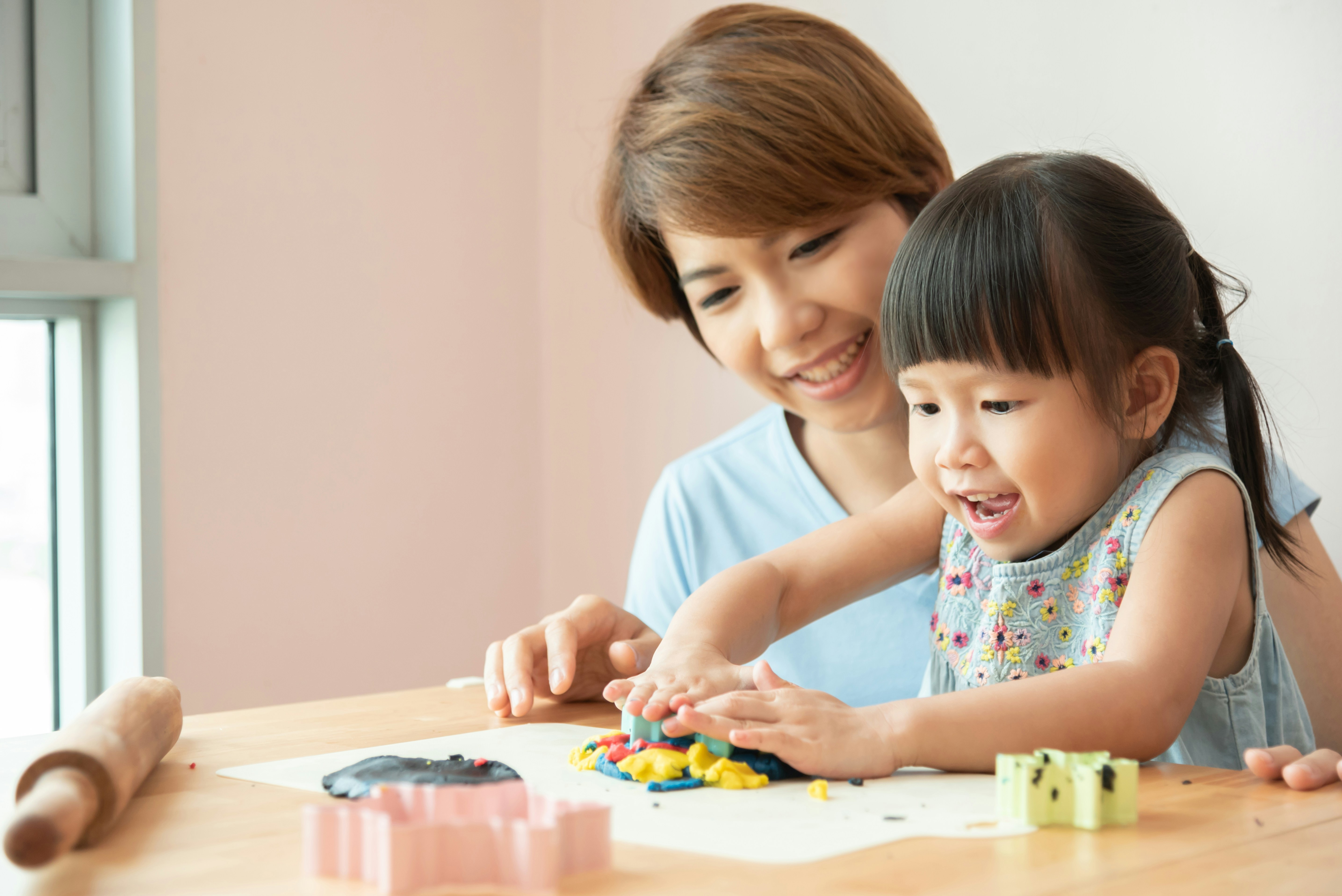
For children who crave hands-on input, both sensory dough and kinetic sand are fantastic options. Sensory dough (like high-quality, non-toxic play dough) is a wonderful and safe choice. Squeezing, rolling, and moulding it helps build fine motor skills and provides satisfying deep pressure input. You can even add calming scents like lavender for an extra sensory dimension. Don't forget, Mumma Chelles play dough recipe is available in the resources tab and you can get very creative with colour and scents that really work for your child.
Kinetic sand is another popular option that provides a unique, mess-free tactile experience. However, it's important to be aware that some coloured sand products have been recalled in Australia due to safety concerns. If you choose kinetic sand, always purchase from a reputable, well-known brand and ensure the product is certified non-toxic and child-safe.
4. The Focus Finder: A Fidget Toy Set
Sensory System: Tactile (Touch)
Far from being just a trend, fidgets are essential tools for self-regulation and focus. Every child's sensory preferences are unique, starting with a variety pack is a smart, cost-effective strategy. It empowers your child to discover what works for them, whether it's the resistance of a stretchy noodle, the pop of a dimple toy, or the smooth spin of a cube.
5. The Visual Anchor: A Liquid Motion Bubbler
Sensory System: Visual (Sight)
The slow, rhythmic descent of colourful droplets in a liquid motion bubbler is mesmerizing. It provides predictable, calming visual input that can help an anxious or overstimulated child anchor their focus and regulate their breathing. It's a perfect 'brain break' tool for a desk or quiet corner.
6. The Calming Cosmos: A Light Projector
Sensory System: Visual (Sight)
You can transform any bedroom into a calming sensory retreat with a light projector such as VOLIVO Galaxy Projector. Projecting stars or gentle waves onto the ceiling removes other distracting visual stimuli and creates a serene atmosphere, which is incredibly effective for bedtime routines or de-escalating a meltdown.
7. The Quiet Space: Noise-Cancelling Headphones
Sensory System: Auditory (Sound)
For a child with auditory sensitivity (sometimes called 'auditory defensiveness'), a noisy classroom or shopping centre can be physically painful. Noise-cancelling headphones are an essential tool for empowerment, giving your child control over their environment and preventing the distress of sensory overload. I recently purchased my own pair and absolutely love them - they're not just for kids!
8. The Oral Motor Tool: Chewable Jewellery
Sensory System: Oral Motor (Mouth)
Chewing is a powerful way to self-regulate. For children who seek this input, chewable jewellery provides a safe, discreet, and effective alternative to chewing on shirt collars or pencils. Always look for necklaces or bracelets made from 100% food-grade, non-toxic silicone.
9. The Learning Lab: A Sensory Bin
Sensory System: Multi-Sensory
A sensory bin is the ultimate hands-on learning station. By combining a base material (like rice or water beads) with scoops, tongs, and cups, you create a rich environment for engaging multiple senses. This isn't just play; it's scientific exploration that builds fine motor skills, cognitive concepts, and creative expression. You can also purchase a starter sensory bin.
Montessori toys also have some amazing wooden sensory options of this is your preference.
10. The OT's Choice: Therapy Putty
Sensory System: Multi-Sensory (Tactile & Proprioceptive)
Frequently recommended by occupational therapists, therapy putty is a powerhouse tool. It builds critical hand and finger strength for writing and daily tasks, while also providing satisfying tactile and deep pressure (proprioceptive) input. The different resistance levels allow you to tailor the activity to your child's specific needs.
How to Choose: Become a Sensory Detective
The most effective way to choose is to become a 'sensory detective.' Observe your child's natural tendencies:
Are they a sensory seeker?(Always jumping, crashing, touching everything, making noise). They will likely benefit from tools that provide more input, like a sensory swing, trampoline, or therapy putty.
Are they a sensory avoider?(Easily overwhelmed by noise, light, or touch). They will likely benefit from tools that reduce input, like noise-cancelling headphones, a weighted blanket, or a pod swing.
Start with one or two tools that match your observations. The journey to finding what works is one of discovery, patience, and love. I hope this guide empowers you with a wonderful place to start.
Love,
Chelle 💗
Special Educator Complex Supports and Family Support Specialist
