The Selfless Strength of Boundaries: A Gentle Parenting Perspective
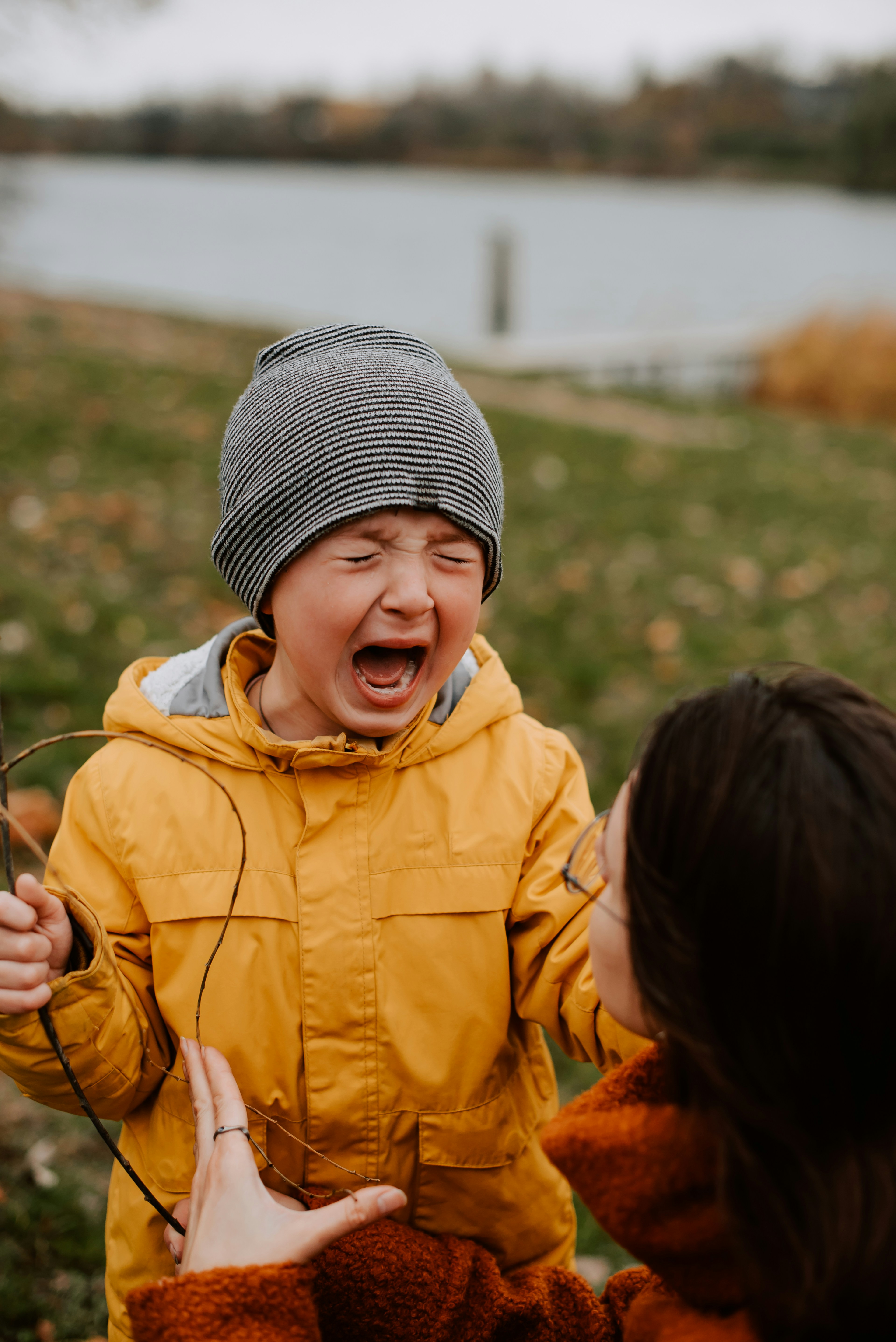
In the past week, I have observed two moments of challenging public parenting that prompted this reflection. The first was a simple moment at a Kmart checkout, where a little boy (maybe 3 years old) was really crying a few checkouts over. The young checkout assistant commented, "My mum used to walk away from me if I was having a tantrum, I can remember that even though I was only little at the time." The second was in a supermarket, watching one dad trying hard to maintain a boundary with his kids whilst another parent's kids were running around screaming.
These two moments illuminated a core truth. One highlighted a generational shift in thinking, while the other showed the social pressure of parenting in public. In the realm of modern parenting, the term gentle parenting is frequently misunderstood as a synonym for permissiveness. At its core, gentle parenting is not about the absence of rules. It is the presence of firm boundaries delivered with unwavering empathy. Perhaps the most profound realisation a parent can have is that holding a boundary is one of the most selfless acts of love they can perform, even when it results in tears.
The Paradox of the Nice Parent
It is a natural, biological instinct to want to protect our children from distress. When a child cries because they cannot have a second biscuit or because screen time has ended, a parent's immediate impulse is often to fix the sadness. In these moments, giving in feels like kindness. It restores peace, stops the crying, and maintains the image of the nice parent.
True selflessness in parenting often requires us to sacrifice our own comfort for our child's long-term development. It is far easier to say yes and avoid a tantrum than it is to stand firm, absorb the child's frustration, and provide the emotional support they need to process their disappointment. When we hold a boundary, we are choosing the difficult path of being the bad guy in the moment to ensure our child becomes a resilient adult in the future.
Holding a boundary is a profound act of love that says: I care more about your future and your character than I do about being liked by you in this exact moment.
The Generational Shift: From Walking Away to Staying With
The exchange at the Kmart checkout highlights a significant generational shift in parenting philosophy. For many years, the standard response to a tantrum was to walk away or use a time-out to withdraw attention until the child calmed down. While intended to teach independence, research in attachment theory suggests that walking away from a child in distress can inadvertently signal that their big emotions lead to isolation. It can also suggest that a parent's presence is conditional upon their compliance.
This was the advice I was given when I was raising my own children. Like so many parents of my generation, I did the very best I could with the tools and knowledge I had at the time. I loved my children fiercely, and I followed the guidance that was meant to foster independence and stop "bad behaviour." Looking back now, with the benefit of hindsight and my experience in family support, I often wish I had known a different way.
Gentle parenting offers a more demanding yet nurturing path. It involves staying with the child through their emotional storm while the boundary remains firm. This is often referred to as a time-in. By staying present, you are acting as an external emotional regulator for your child, helping them calm their nervous system until they can do it themselves. This approach requires immense self-regulation from the parent, as it means absorbing the child's distress without becoming overwhelmed or giving in.
The Crying Concern vs. The Real-World Reality
A common fear is that making a child cry by enforcing a limit will damage the attachment. In reality, the harm lies not in the child's tears. The harm lies in a parent's failure to prepare them for a world that will inevitably say no. Research consistently shows that authoritative parenting, which combines high warmth with high expectations and firm boundaries, leads to the best long-term outcomes for children. These outcomes include better academic performance, higher self-esteem, and stronger social skills.
When we allow a child to experience the word no within the safety of our home, we are providing a controlled environment for them to practise emotional regulation. If they never learn to navigate boundaries at home, the transition to external environments becomes jarring and potentially damaging.
The Social Courage of Boundaries: Parenting in Public
The observation in the supermarket perfectly illustrates another layer of selflessness in boundary setting: social courage. The dad I watched was diligently holding his boundary, with his own children, despite the chaos and influence created by the other children and the empty threats from their parent. This act of social courage is a powerful, selfless gift. Choosing the difficult, consistent path in the face of public scrutiny or conflicting examples takes immense strength.
Empty threats, like shouting from another aisle to stop a behaviour, are often ineffective because they lack immediate follow-through and consistency. Children quickly learn that these words do not carry weight, which can undermine their understanding of boundaries and parental authority. In contrast, the dad who was actively present, even if his child was crying, was reinforcing the boundary with his consistent presence and calm demeanour. This active presence teaches children that their parent is a reliable source of security and structure, regardless of the environment.
Parenting in public can feel isolating, particularly when it involves holding a boundary that elicits a strong emotional response from a child. There is the internal struggle of your child's distress, alongside the external pressure of perceived judgment from onlookers. By sticking to your gentle parenting values in these moments, you are modelling resilience. You are showing your child that it is possible to navigate challenging situations with integrity and calm, even when others are not. You are also building their internal locus of control, teaching them that their behaviour is guided by consistent expectations rather than the whims of their environment. Finally, you are preparing them for a complex world where rules are not always followed by everyone, equipping them to stand firm in their own values.
The Wisdom of Hindsight and the Grace of Growth
It is a testament to the evolving understanding of child development that parenting advice shifts over time. For many, the early years of their parenting journey were guided by the then-prevalent wisdom that children should be left to cry it out or that parents should walk away until a child was calm. It is a powerful, often unconscious force to parent in the way we ourselves were parented. This advice often stemmed from a desire to foster independence and prevent perceived manipulation. Looking back, it is natural for parents to wish they could revisit those moments with the knowledge gained from current research and a deeper understanding of emotional development.
This does not mean that taking a time-out or creating space for both parent and child to regulate emotions is inherently wrong. Sometimes a brief separation can be beneficial for both parties to calm down and regain composure. The crucial distinction lies in how this space is created and communicated. A gentle parenting approach to taking space involves communication, reassurance, and reconnection. It means explaining to the child in age-appropriate language that you need a moment to calm down and that you will return to help them. It involves ensuring the child knows they are not being abandoned and that your love is constant. It always requires returning to process the emotions and reconnect once both are regulated.
This nuanced approach transforms a potentially isolating experience into a lesson in self-regulation and healthy emotional boundaries. The willingness to learn, adapt, and grow as a parent is itself a profound act of selflessness. It demonstrates a commitment to providing the best possible foundation for your children, even if it means re-evaluating deeply ingrained beliefs.
Preparing the Child for the Path
The goal of gentle parenting is to raise children who are capable of navigating a world of boundaries with grace and confidence. By holding the line at home, we are teaching them that limits are a part of life. They exist in classrooms, offices, and social circles. We are teaching them that emotions are valid, yet they are not a tool for manipulation. It is okay to be sad that a boundary exists, while the boundary remains. We are also teaching them that safety is found in structure. Children feel more secure when they know exactly where the edges of their world are.
The Gift of No
When you hold a boundary and your child cries, you are not failing. You are doing the heavy lifting of parenting. You are teaching them that they can survive disappointment, that their feelings are heard, and that they are loved enough to be told the truth about how the world works.
By choosing the temporary discomfort of their tears today, you are gifting them the permanent strength of character they will need for the rest of their lives. That is the ultimate act of selflessness.
Want to go deeper? Here are some of my favourite reads on gentle parenting, boundaries, and raising emotionally resilient children.
The Whole-Brain Child by Daniel J. Siegel and Tina Payne Bryson A New York Times bestseller that explains how a child's brain develops and offers 12 practical strategies to help children integrate their emotional and logical brain. Directly supports the co-regulation and time-in concepts explored in this post.
No-Drama Discipline by Daniel J. Siegel and Tina Payne Bryson The follow-up to The Whole-Brain Child, focused specifically on discipline. Offers a compassionate, brain-based approach to setting limits and managing tantrums without power struggles.
How to Talk So Little Kids Will Listen by Joanna Faber and Julie King A practical, warm, and highly accessible guide to communicating with children aged two to seven. Covers how to acknowledge feelings while still holding firm on expectations.
The Gentle Parent by L.R. Knost Written in a conversational style and packed with practical suggestions and real-life examples for navigating the normal challenges of parenting with empathy and firmness.
The Explosive Child by Ross W. Greene A must-read for parents of children who struggle with emotional regulation and big reactions to boundaries. Offers a collaborative, problem-solving approach that respects the child while maintaining clear expectations.
As an Amazon Associate I earn a small commission from qualifying purchases. This helps me to continue to create resources and content.
Here's to all the parents out there doing their best to hold the boundaries for their children, being brave in public parenting moments and standing strong despite potential judgement from others.
love,
Chelle 💗
