The Withing Model: Revolutionary Care Approach for Independence Across All Ages
What is the Withing Model?
For many, many, years I have taught a model that I call ‘Withing’. I can’t honestly claim it solely as my own creation because I think it was something that I created out of many academic discussions and reading about models of care over decades. I think ‘Withing’ crosses many domains of care.
The Foundation: From Doing FOR to Doing WITH
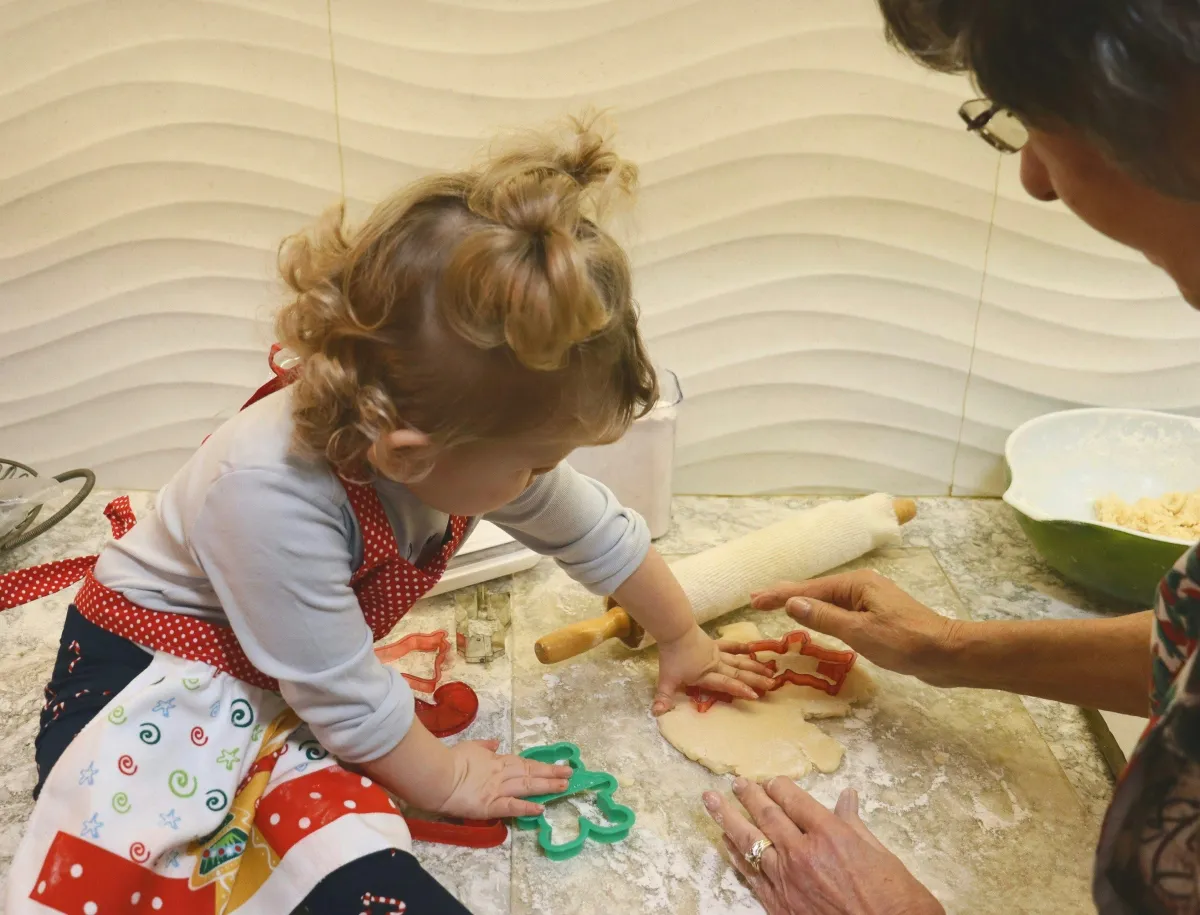
When our babies and children are young, we spend an extraordinary amount of time doing things to and for them. As they get older, we start doing many things with them, the goal- developing independent and confident adults. I have always seen my role as a parent to support my children to become confident, independent, and functional citizens within our community.
It’s in the ‘Withing’ that we all learn skills to become independent in doing things for ourselves.
Why the Withing Model Matters: Breaking the Myth of Limited Learning
This same principle applies to adults with disability needing time to develop more skills. There seems to be this continued myth that adults with disability have no more learning to do. I’m in my fifties and still learning new things everyday so why should this be any different for someone with a disability?
Ageing with Dignity and Independence
I strongly believe this principle of ‘Withing’ also applies to us as we age. Maintaining skills and independence is significantly important to a person’s sense of worth, confidence and dignity. Providing opportunities and models of care that support an aging person to participate in life and activities of their choosing is empowering.
Moving from Fear to Empowerment
All too often I have heard care staff and families claim that it’s not safe for someone to continue to cook or garden for fear of this person injuring themselves. Instead of letting the fear rule and saying NO, let’s look for a way to make this a YES.
The Withing Question: What can be done WITH this person to support continued participation in activities that bring joy.
The Universal Application
It doesn’t really matter if you are: - A parent, -An educator, -A care worker
The focus is about “Withing” to either increase skills or maintain them. Either way, the result is supporting a life that can be lived and enjoyed, and not just endured.
Key Principles of the Withing Model
Dignity of Risk
Recognising that taking risks is part of human dignity
Supporting informed choice-making
Balancing safety with independence
Skill Building Through Partnership
Moving from doing FOR to doing WITH
Gradual skill transfer and confidence building
Celebrating small victories and progress
Person-Centred Approach
Focusing on individual strengths and interests
Respecting personal choices and preferences
Supporting self-determination
Life Long Learning Mindset
Recognising that learning never stops
Adapting approaches to different life stages
Maintaining hope and possibility
Real World Applications
In Child Development
Teaching children to dress themselves (with support)
Involving kids in meal preparation
Encouraging problem-solving skills
Building confidence through guided independence
In Disability Support
Supporting skill development at any age
Focusing on abilities rather than limitations
Creating opportunities for meaningful participation
Respecting individual pace and preferences
In Aged Care
Maintaining cooking skills with adaptive equipment
Supporting continued gardening with modifications
Encouraging social connections and community involvement
Preserving Dignity through choice and control
The Withing Difference
Traditional Approach: I'll do this FOR you because it's easier/safer/faster"
Withing Approach: "Let's do this WITH each other so you know how to do this for yourself." (skills and confidence)
Evidence Base
The Withing Model aligns with current research in: Occupational Therapy: Focussed on meaningful activity participation. Person-Centred Care: Respecting individual choice and dignity. Positive Psychology: Building on strengths rather than deficits. Adult Learning Theory: Recognising life long learning capacity.
Getting Started with Withing
Ask Yourself:
Where am I doing things FOR someone that I could do WITH them?
What skills could this person develop with the right support?
How can I balance safety with dignity and choice?
What brings joy and meaning to this person's life?
Start Small
Choose one activity to approach differently
Break tasks into manageable steps
Celebrate progress not just outcomes
Be patient with the learning process
The Ripple Effect
When we embrace the Withing Model, we create: - Increased Confidence in the people we support - Greater job satisfaction for care workers and educators - Stronger Relationships built on respect and partnership - Better Outcomes for individuals and families - More sustainable care that builds independence rather than creating dependency.
Learn More About Withing
If you would like to learn more about 'Withing' and dignity of risk, contact Mumma Chelles to discuss the training options.
love,
Chelle ❤️
Special Education Complex Supports and Family Support Specialist
The Withing Model represent a fundamental shift in how we approach care and support. By moving from doing FOR to doing With, we honour the dignity, potential, and humanity of every person we serve.
Supporting families through life's most challenging moments.
