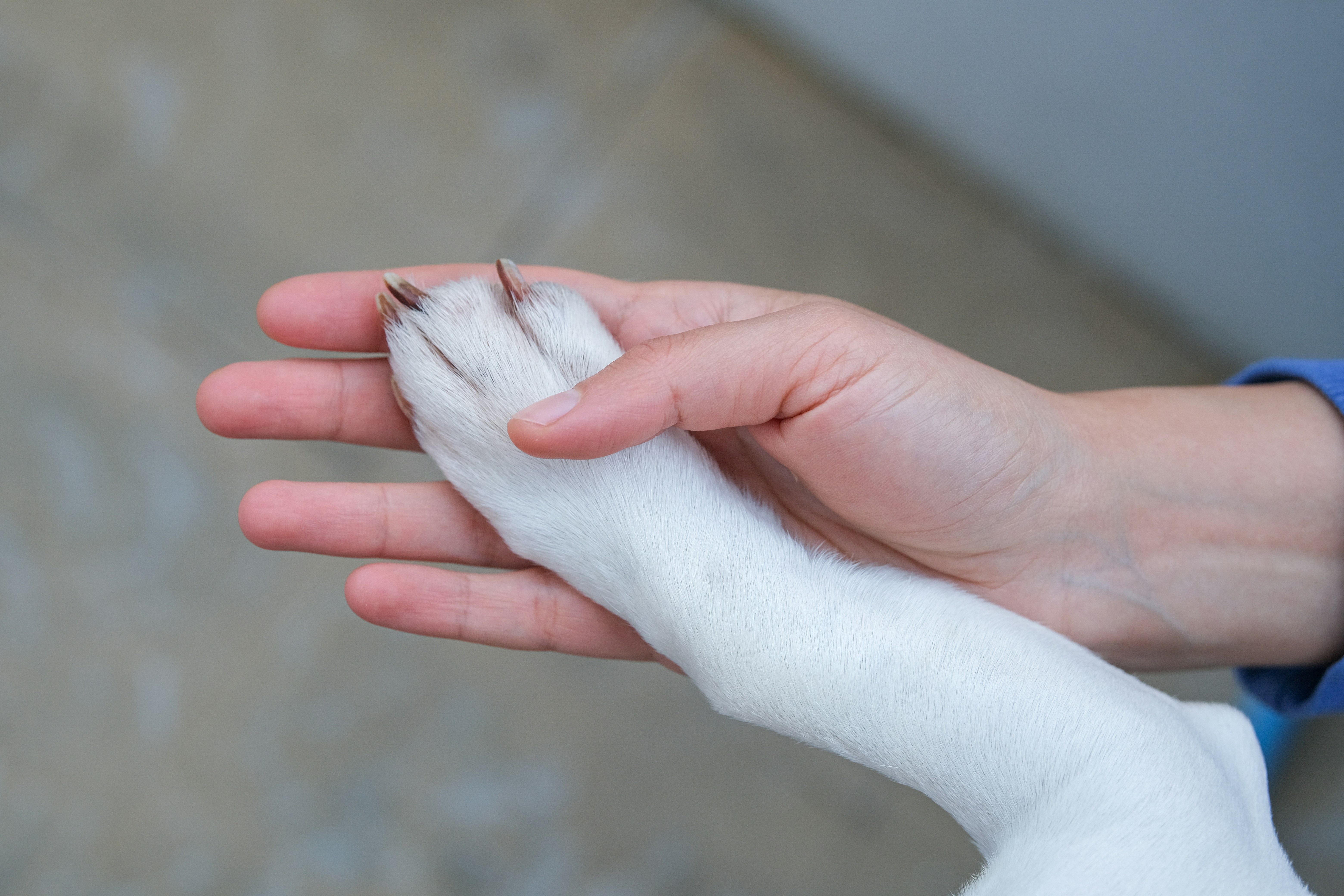
Saying Goodbye: Supporting Children Through Pet Loss
This blog post contains affiliate links. As an Amazon Associate I earn a small commission from qualifying purchases. This helps me to continue to create resources and content.
For many children, pets are more than just animals—they're best mates, snuggle buddies, secret keepers, and beloved family members. When that special pet dies, the loss can be truly devastating, especially as it's often a child's first experience with death. This post offers a selection of strategies and supports, informed by recommendations from Australian psychologists and veterinarians, to help you support your child through this difficult time.
Understanding How Children Process Death at Different Ages
Ages 2-4: Keep It Simple
Little ones don't yet grasp the concept of "forever." They live in the present moment and may repeatedly ask when their pet is coming back.
For this age group:
Use clear, concrete language: "Bella has died. Her body stopped working."
Avoid confusing phrases like "put to sleep," which can create fears around bedtime.
Be prepared to answer the same questions many times.
Understand that young children may seem sad one moment and perfectly fine the next.
Look for picture books about pet loss at your local library, such as 'When a Pet Dies' by Mr Rogers (Fred), an oldie but still great, or 'The Tenth Good Thing About Barney' by Judith Viorst.
Young children often express grief through play rather than words. You might notice them acting out scenarios with toys where an animal gets sick or dies. This is healthy processing, so gently encourage this type of play.
Ages 5-8: Beginning to Understand
Early primary school children are beginning to understand that death is permanent but may still have magical thinking. They might worry that their thoughts or actions caused the pet's death.
For this age group:
Reassure them that they didn't cause the death.
Answer questions about what happens after death according to your family's beliefs.
Watch the Bluey episode "Copycat" together, which beautifully shows how children process loss through play. You might also read comforting books together like 'I'll Be Your Friend Forever or 'I'll Always Love You' by Hans Wilhelm.
Ages 9-12: Deeper Conversations
Pre-teens generally understand death's permanence and may have more philosophical questions.
For this age group:
Be open to discussions about mortality.
Acknowledge that their grief might feel overwhelming at times.
Encourage them to express their feelings through talking, writing, art, or other creative outlets.
Involve them more directly in memorial decisions.
The Importance of Honesty
It might be tempting to tell your child that their pet "went to live on a farm," but Australian child psychologists strongly advise against this approach. Being honest:
Maintains trust (children often discover the truth eventually).
Provides an opportunity to learn healthy grief responses.
Prevents confusion that euphemisms can create.
Supporting Your Child's Grief Journey
Children grieve differently from adults, and their grief may look different from what you expect.
Children might:
Seem fine one minute and devastated the next.
Ask practical questions that seem insensitive.
Express grief through physical complaints like tummy aches.
Have trouble sleeping or experience nightmares.
Regress to earlier behaviours temporarily.
Let your child know that whatever they're feeling is normal and OK—whether it's sadness, anger, guilt, or even relief if the pet was very ill.
Creating Meaningful Goodbyes
Simple rituals can help children process their grief:
For younger children:
Draw pictures of happy memories with the pet.
Create a simple photo display using a pet memorial picture frame.
Plant a flowering plant or small tree with a pet memorial stone.
For older children:
Create a memory box with the pet's collar, toys, photos, and a paw print keepsake.
Write a letter or poem to the pet.
Make a scrapbook of memories using a pet memory book, such as 'The Rainbow Bridge A Pet Loss Journal Na Memory Book for Kids' by Abbey Eagles
Hold a small memorial ceremony in the backyard.
When to Seek Help
While grief is normal, sometimes children need extra support. Consider talking to your GP if your child:
Shows prolonged changes in eating or sleeping habits.
Withdraws from friends and activities they previously enjoyed.
Has persistent nightmares or anxiety.
Seems consistently down or withdrawn over time, without signs of improvement.
As I shared in a previous blog about grief, "Maintaining emotional health as a parent experiencing grief whilst also supporting a child through grief can be very hard. Journaling, mindfulness practices and staying connected to others can support your emotional health." Remember that it's important to care for yourself too. Grown ups also grieve the loss of a family pet.
Resources available in Australia include:
Your local GP
School counsellors
Moving Forward
The question of when—or whether—to get another pet is common after pet loss. There's no right timeline, and it varies for every family. Some children may ask for a new pet immediately, while others need more time.
Whatever you decide, find small ways to honour the love your pet brought into your lives. The love we share with our pets lives on in our hearts long after they're gone. It's been almost 10 years since we said goodbye to my Maggie dog, but I still look at the beautiful painting given to me to remember her and it always fills my heart with joy to remember her gentle nature and how much she loved us. Helping our children understand this is perhaps one of the greatest gifts we can give them.
Remember that there's no perfect way to grieve, and every child's journey will be unique. Trust your instincts as a parent, be patient with the process, and know that with time and support, both you and your child will find your way through this difficult but important life experience.
Helpful Resources
If you're looking for additional support, here are some wonderful books that can help:
For Young Children:
For Parents:
Love,
Chelle 💗
Special Education Complex Supports and Family Support Specialist
